

Flexibility Vs. Mobility: What's the Difference?
Flexibility and mobility are often used interchangeably, but they play very different roles in how your body moves and feels. Understanding the difference—and how to train both—can help you stay active, reduce injury risk, and move better in everyday life. Learn how each impacts your movement, performance, and injury prevention, plus simple ways to improve both.

Image by Ryan McGuire from Pixabay
By Terri Lively
You hear us talk about flexibility and mobility all the time in class. But when pressed, can you tell me the difference between these two essential parts of fitness?
If not, don’t worry about it. Let's hope after you read this article, you can.
Today’s newsletter seeks to explain the difference between flexibility and mobility and how they relate to your overall fitness. We'll start with flexibility.
What is Flexibility?
Flexibility is the ability of your joints to move freely and without pain through their full range of motion. It's essential for keeping your joints and body healthy. [1]
Flexibility can differ from person to person, but everyone needs a certain level to stay active and prevent injuries. Factors like being hurt, not being active, or skipping stretching can reduce your flexibility. [2]
Improving Flexibility with Different Types of Stretches
It's important to stretch your muscles regularly to maintain or improve flexibility. Here are the main types of stretches and why they are important:
Static Stretching: This involves holding a stretch for at least thirty and up to sixty seconds at the end of a joint's range of motion. It's ideal for relaxing and loosening tight muscles after exercise or throughout the day.
Dynamic Stretching: These movements gently take your joints through their full range of motion. Before workouts, dynamic stretches increase blood flow and can improve performance.
Myofascial Release (Foam Rolling): Applying pressure to muscle tissues using tools like foam rollers helps them relax. It is best used before dynamic stretching to enhance flexibility and reduce muscle soreness.[3]
There are a few other kinds of stretching. These include ballistic stretching, which involves bouncing at the end of a static stretch. Active Isolated Stretching (AIS) increases the range of motion by holding stretches for two seconds and repeating. There is also Proprioceptive Neuromuscular Facilitation (PNF), which involves alternating between stretching and contracting muscles. [4]
You are likely familiar with the first three because we do them regularly in class. (The other kinds, not so much.) Now, you know why.
Now, let's tackle mobility.
What is Mobility?
Mobility refers to your ability to move purposefully throughout your day. It includes essential skills like physical stamina, strength, balance, coordination, and range of motion, which are crucial for daily activities such as getting out of bed, climbing stairs, walking, or carrying groceries. Mobility helps us perform these tasks and plays a vital role in preventing falls and injuries, especially in older adults. As people age, the importance of mobility becomes more apparent, with a significant portion of those aged 65 and older experiencing some degree of mobility loss. [5]
How Can I Improve My Mobility?
Improving mobility involves regular exercise to enhance strength, stamina, flexibility, and balance. These exercises support the muscles and joints crucial for movement, helping to prevent further loss of mobility. Healthy adults should engage in at least 150 minutes of moderate-intensity aerobic exercise weekly (or 20 minutes a day), along with strength training and balance exercises twice weekly. [6]
Walking, running, cycling, swimming, and even playing pickleball can significantly improve mobility. Strength training using weights, resistance bands, or body weight is also effective, particularly under guidance. [7] In case you were wondering, those of us who lead class are the “guidance” at RoughFit.
The Source of the Confusion
Even though these terms describe different parts of fitness, they are related. This relationship is probably why people get confused.
For example, the soft tissues around your joints—such as muscles, ligaments, and tendons—play a significant role in your flexibility. Without regular stretching, these tissues can tighten over time, reducing mobility.[8] By contrast, consistent stretching and participating in flexibility exercises, like yoga, can improve joint movement and reduce pain, enhancing mobility.[9]
So, as you can see, flexibility and mobility are two different things, but closely related. Flexibility is your joints’ ability to move through the full range of motion without pain and mobility is your ability to move your body around without pain or restriction. Regularly incorporating stretching and exercise into your routine can maintain and improve your flexibility and mobility, keeping you independent and active for longer.
And which of us doesn't want that?
[1] Flexibility (No Date) Sports Medicine: UC Davis Health, Flexibility | Sports Medicine | UC Davis Health. Available at: https://health.ucdavis.edu/sports-medicine/resources/flexibility#:~:text=Flexibility%20is%20the%20ability%20of,joint%20and%20total%20body%20health. (Accessed: 21 August 2024).
[2] Flexibility (No Date) Sports Medicine: UC Davis Health, Flexibility | Sports Medicine | UC Davis Health. Available at: https://health.ucdavis.edu/sports-medicine/resources/flexibility#:~:text=Flexibility%20is%20the%20ability%20of,joint%20and%20total%20body%20health. (Accessed: 21 August 2024).
[3] How to Become More Flexible and Why It’s Important (no date) EverydayHealth.com. Available at: https://www.everydayhealth.com/fitness/how-become-more-flexible-because-yes-its-important/#:~:text=The%20different%20types%20of%20stretches%20to%20improve%
[4] How to Become More Flexible and Why It’s Important (no date) EverydayHealth.com. Available at: https://www.everydayhealth.com/fitness/how-become-more-flexible-because-yes-its-important/#:~:text=The%20different%20types%20of%20stretches%20to%20improve%
[5] Mobility (no date) Harvard Health. Available at: https://www.health.harvard.edu/topics/mobility (Accessed: 21 August 2024).
[6] Mobility (no date) Harvard Health. Available at: https://www.health.harvard.edu/topics/mobility (Accessed: 21 August 2024).
[7] Mobility (no date) Harvard Health. Available at: https://www.health.harvard.edu/topics/mobility (Accessed: 21 August 2024).
[8] Mobility (no date) Harvard Health. Available at: https://www.health.harvard.edu/topics/mobility (Accessed: 21 August 2024).
[9] How to Become More Flexible and Why It’s Important (no date) EverydayHealth.com. Available at: https://www.everydayhealth.com/fitness/how-become-more-flexible-because-yes-its-important/#:~:text=The%20different%20types%20of%20stretches%20to%20improve%20flexibility%20include%20static,muscle%20or%20its%20opposing%20muscle). (Accessed: 21 August 2024).
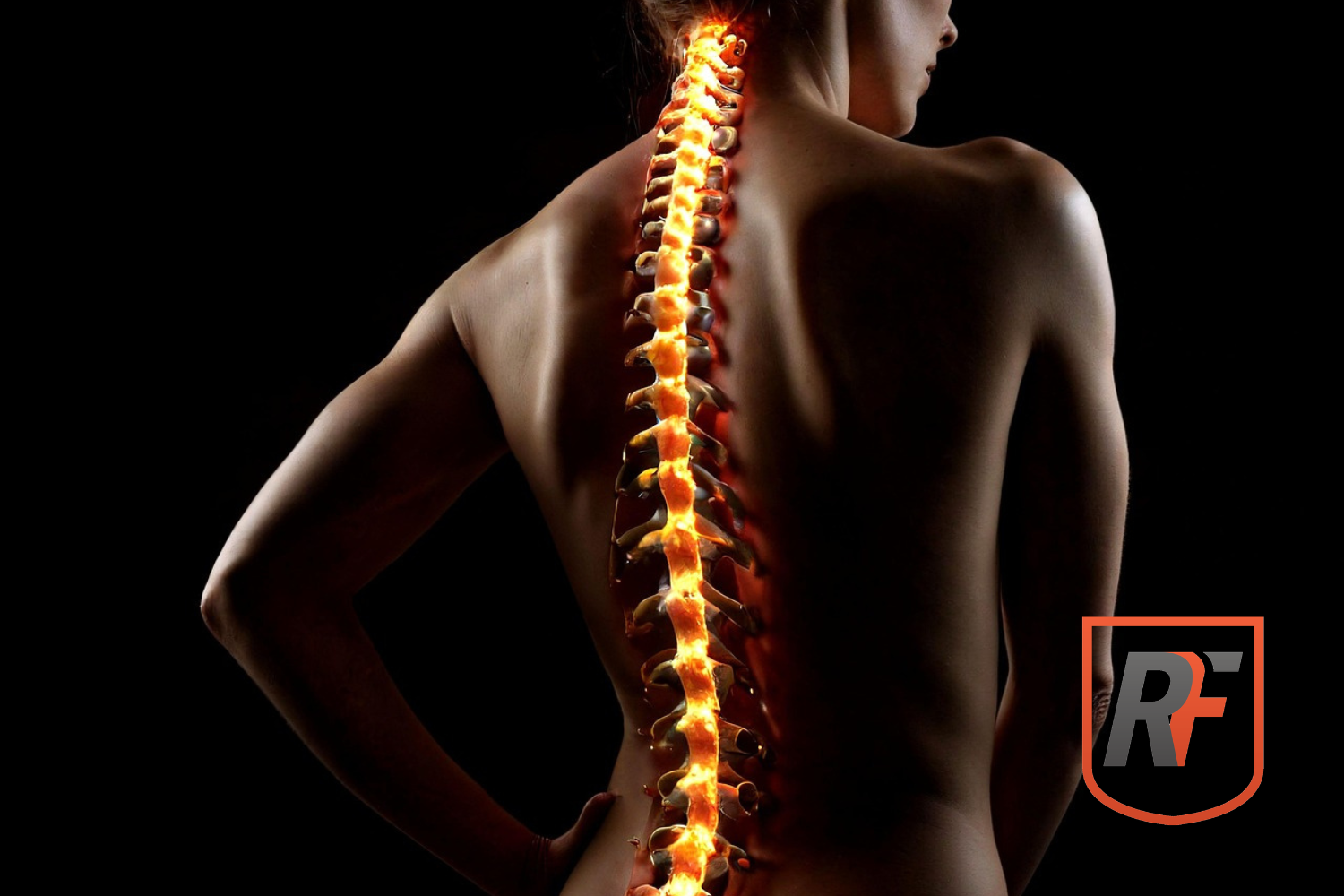
Spinal Extension: The Move Your Back Has Been Missing
If you spend a lot of time sitting or looking at screens, it’s important to include spinal extension—gentle backward arching—into your routine. This simple habit helps counteract stiffness and poor posture from desk work, restores flexibility to your mid-back, and can relieve some types of lower back discomfort. To support a healthier spine, make time each day to reach overhead, look up, or try gentle extension movements such as the Cobra pose or prone press-ups. These small changes help make good posture feel natural and may prevent long-term back issues.
By Terri Lively
If you spend any part of your day sitting, driving, typing, or looking at your phone, your spine is often gently rounded forward. Hours of that add up.
Spinal extension is the opposite motion — the ability to arch backward gently. Think: reaching overhead, looking up at the sky, pressing into Cobra, or standing tall, even after you’ve been folded over a desk all day.
Why Increasing Spinal Extension Helps
It counters desk posture.
The Mayo Clinic notes that prolonged sitting can contribute to stiffness and back discomfort and recommends regular movement and posture changes (“Back Exercises”). Extension is the built-in antidote to hours of forward rounding.
It can ease certain low back discomfort patterns.
The Cleveland Clinic describes extension movements, such as prone press-ups, as commonly used in physical therapy to reduce stiffness and, for some people, relieve symptoms aggravated by sitting (“Cat-Cow Stretch”).
It restores mobility where most adults lose it first.
Most people lose extension in the thoracic (mid-back) spine. When that area stops moving, the neck and low back try to take over—and they usually complain about it (“Thoracic Kyphosis and Mobility”).
It improves posture without forcing it.
Instead of “sit up straight” with tension, extension work gives your spine the mobility that makes upright posture feel natural again.
What Happens When You Lose Spinal Extension
This loss usually shows up as:
Feeling stiff when you stand up after sitting
Neck strain from looking up with your neck instead of your mid-back
Low back tightness after desk work or driving
Rounded shoulders that feel hard to correct
Discomfort reaching overhead
A sense that your back just feels “stuck.”
Research on thoracic mobility shows a link between reduced mid-back extension and higher reports of neck and back discomfort (Katzman et al.). When the mid-back won’t extend, something else takes the load.
That’s the bad news. But I also have great news: You don’t need to do dramatic backbends to fix it. There are plenty of simple ways to increase or bring back your spinal extension. You need frequent, gentle reminders that the extension exists (“How to Improve Flexibility”).
Prone press-ups (McKenzie style)
Lie on your stomach and press your chest up while your hips stay down. This move is a classic extension drill referenced by the Cleveland Clinic for spinal mobility.
Cobra or Sphinx pose
A controlled way to open the front of the body while encouraging spinal extension.
Thoracic extension over a foam roller
Targets the mid-back—the area most people are restricted.
Wall angels
Encourages thoracic extension while improving shoulder mobility and posture.
Glute bridges
Strong hips support safe extension and keep you from jamming into your lower back.
Hourly reach break
Stand up, reach overhead, gently look up, take a breath. Mayo Clinic emphasizes avoiding prolonged sitting for back health (“Stretching: Focus on Flexibility”).
Stretch the front of the body
Tight hip flexors, abs, and chest muscles can all limit extension. Open the front, and the extension gets easier.
Extension should feel like the front of your body opening, not your lower back crunching (Middleditch and Oliver). Think: long and open, not lean back and jam.*
If extension causes sharp pain, tingling down a leg, pinching, or dizziness, pause and get guidance from a clinician or PT.
If you take one thing away from this article, let it be this: you don’t need to perform extreme movements to improve spinal extension. Simple, gentle exercises and frequent reminders to move—like prone press-ups, yoga poses, foam rolling, stretches, and hourly reach breaks—can enhance your spinal mobility and overall back health.
Best of all, you get a spine that remembers how to extend. And remember… a spine that remembers how to extend feels less stiff, less cranky, and a lot more cooperative in everyday life.
* Always prioritize movements that feel open and safe, and consult a professional if you experience pain or discomfort.
Sources:
“Back Exercises: Back Strengthening Exercises.” Mayo Clinic, Mayo Foundation for Medical Education and Research,www.mayoclinic.org/healthy-lifestyle/adult-health/in-depth/back-pain/art-20546859.
“Cat-Cow Stretch: How to Do It and Why It Helps Your Spine.” Cleveland Clinic, Cleveland Clinic,
health.clevelandclinic.org/cat-cow-stretch/.
“How to Improve Flexibility and Why It’s Important.” Cleveland Clinic, Cleveland Clinic,
health.clevelandclinic.org/how-to-improve-flexibility-and-benefits/.
“Stretching: Focus on Flexibility.” Mayo Clinic, Mayo Foundation for Medical Education and Research,www.mayoclinic.org/healthy-lifestyle/fitness/in-depth/stretching/art-20047931.
Katzman, Wendy B., et al. “Thoracic Kyphosis and Mobility: Associations with Pain and Function.” Journal of Back and Musculoskeletal Rehabilitation, vol. 35, no. 4, 2022, pp. 827–836.
pubmed.ncbi.nlm.nih.gov/35864477/.
Middleditch, Alison, and Thomas Oliver. “Functional Anatomy of the Thoracic Spine and Its Role in Movement and Pain.” Journal of Orthopaedic & Sports Physical Therapy, vol. 45, no. 9, 2015, pp. 693–704.
pubmed.ncbi.nlm.nih.gov/25557663/.
Sahrmann, Shirley. “Movement System Impairment Syndromes of the Lumbar Spine.” PM&R KnowledgeNow, American Academy of Physical Medicine and Rehabilitation,
now.aapmr.org/movement-system-impairment-syndromes-of-the-lumbar-spine/.
“The Importance of Thoracic Spine Mobility for Musculoskeletal Health.” National Institutes of Health – PMC, U.S. National Library of Medicine,www.ncbi.nlm.nih.gov/pmc/articles/PMC9487940/.
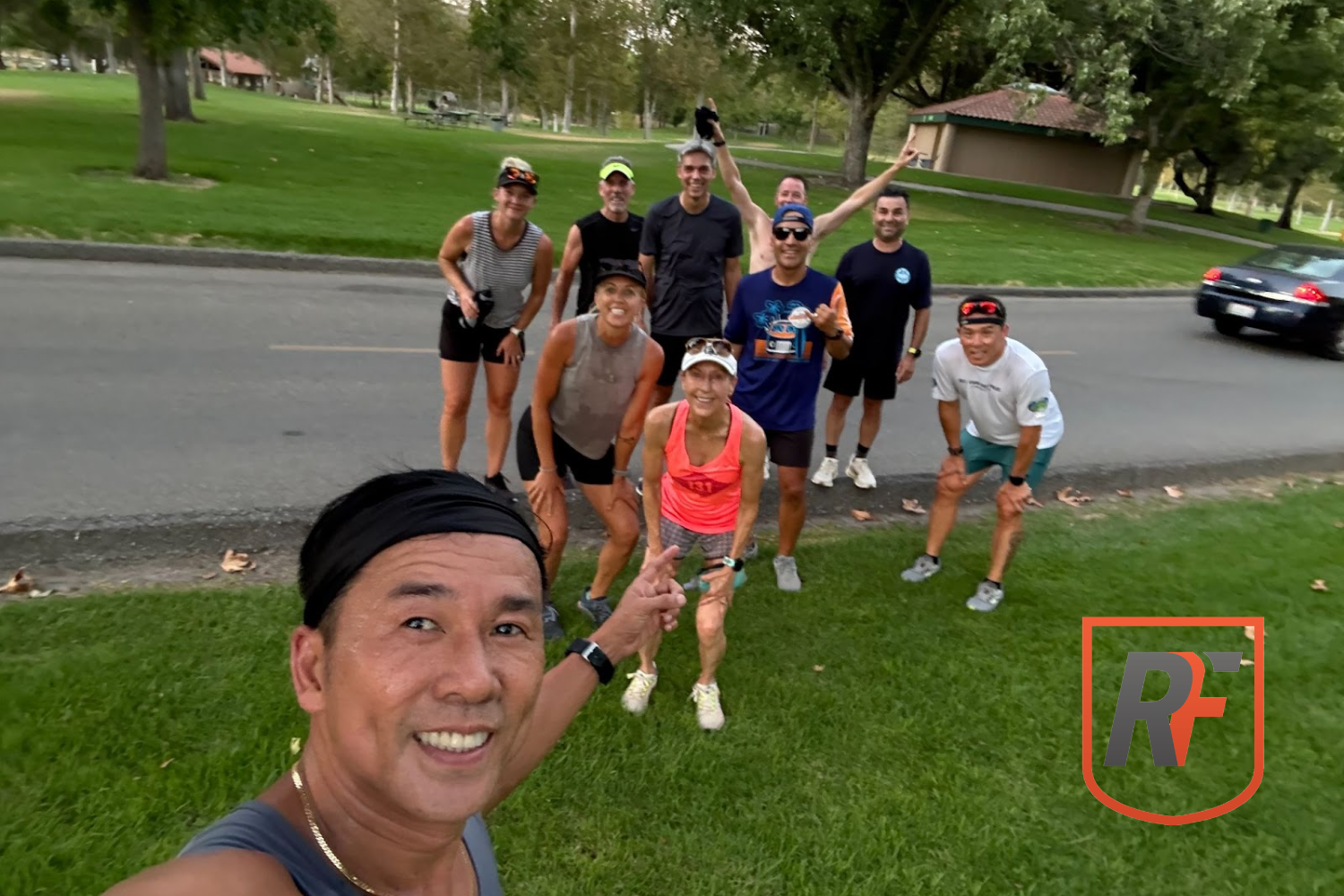
April Featured Member: Bruce Le
Consistency, effort, and a willingness to show up—even on the hard days—that’s what makes Bruce Le stand out. This month, we’re recognizing not just the work he puts in, but the energy and example he brings to everyone around him.
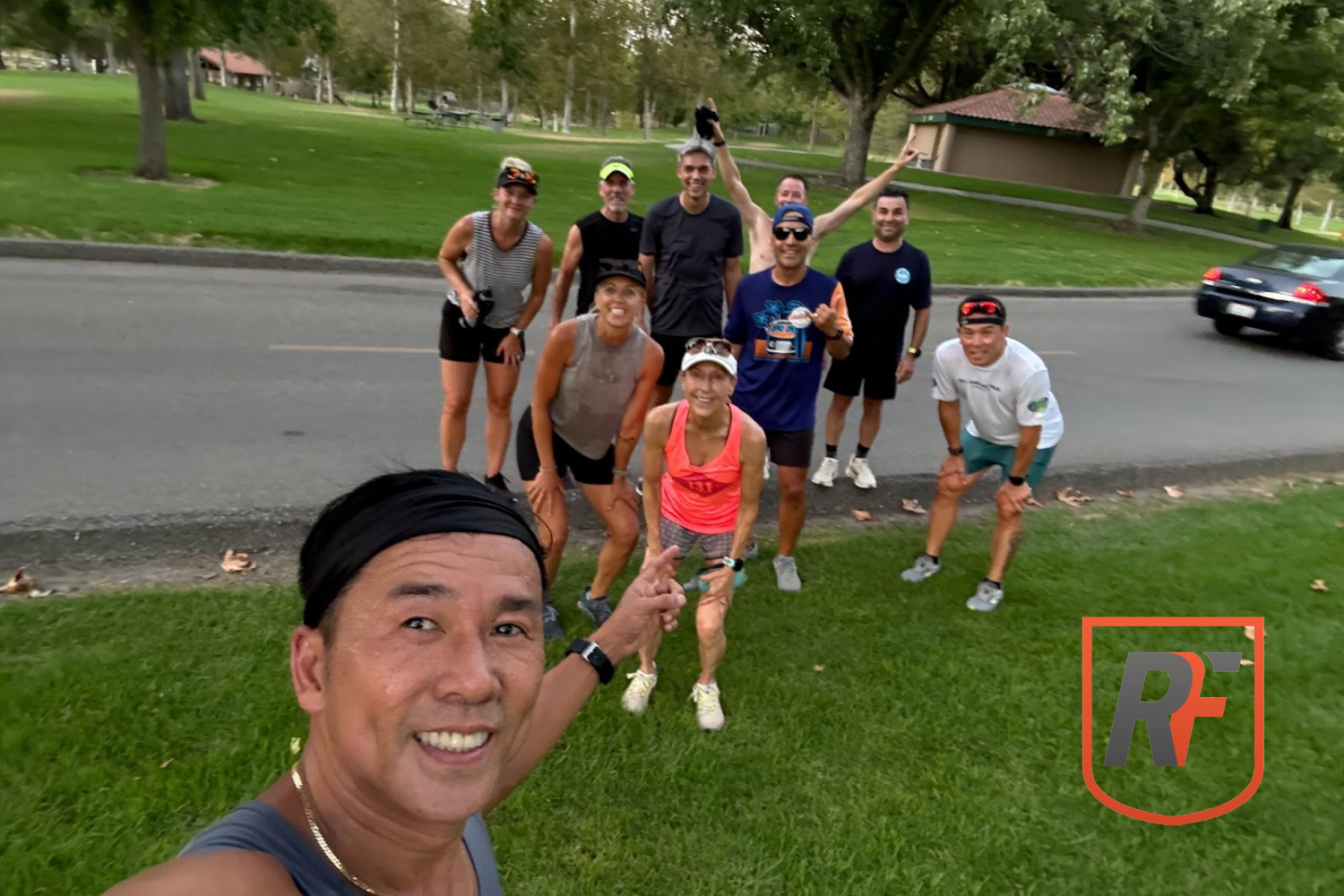
Meet Bruce Le—one of our most positive, dedicated, and uplifting members in the RoughFit Run Club!
Bruce has been part of the RF community since 2021, after being introduced by his friend Hieu Vu. Outside of fitness, he works as a funder for a private lender, but if you really want to know Bruce, just know this: he loves to eat, dance, and bring good energy wherever he goes (and yes—he’s got some impressive Zumba moves 💃).
From day one, Bruce has embodied what RF is all about. In his very first class, he surprised himself by running 6 miles—even though he had never run more than 3–4 miles before. That moment set the tone for what’s been an incredible journey ever since.
What keeps Bruce coming back? The community. He thrives on running with his RF friends, learning, staying motivated, and pushing each other to get faster and stronger together. And he gives that same energy right back—Bruce is often our unofficial group photographer, always capturing moments from class, cheering people on, and lifting others up.
Since joining RF, Bruce has experienced major physical and mental growth. He’s stronger, happier, and running farther than he ever imagined. His accomplishments speak for themselves—he’s completed three marathons and continues to improve each time:
🏃♂️ First Marathon: 4:10
🏃♂️ Second Marathon: 4:05
🏃♂️ Third Marathon: 3:45
…and he’s just getting started. If you’ve run with Bruce, you know he’s fast—and only getting faster.
When asked what advice he’d give to new members, Bruce keeps it simple:
“Keep coming to class and do what you can.”
He also encourages everyone to get involved: join RF challenges, sign up for races, train hard, and stay consistent.
Above all, Bruce is one of the kindest people you’ll meet. He loves cheering everyone on, celebrating others’ wins, and bringing joy to every workout.
We’re lucky to have you, Bruce—your energy, dedication, and positivity make RF better every day 💙
Stronger Because of Each Other
Some days you’re not showing up for the workout; you’re showing up because someone will notice if you don’t. That’s not pressure… that’s community. And it’s exactly what Jenni meant by Stronger Together at the RoughFit Banquet 2026.
By Terri Lively
If you were at the banquet, you probably remember Jenni’s talk, “Stronger Together.”
If you weren’t there, don’t worry, you’ve been living it all year. What Jenni talked about isn’t only a theme for 2026. It’s what happens here every day, whether we stop to think about it or not.
We are not meant do hard things alone, and this is hard both physically and mentally. For example, we have to decide to show up when we don’t feel like it, or when we have knee/shoulder/back pain, or after working an 8+ hour day. That’s not only willpower or discipline, it’s also community.
Another part of Jenni’s talk that stuck with me was the idea of gratitude as a skill, something you practice that changes how your brain handles hard things. It’s a great point. Yes, we train our bodies here every day, but we’re also training our minds. By showing up when we don’t feel like it, encouraging someone next to us, and/or laughing mid-workout because if we don’t, we might cry, we are building resilience. We are also building the kind of mental strength that carries into the rest of your life.
As Jenni said, life is hard, growth is hard, and none of us is designed to do that by ourselves. We need people who notice when we’re missing. People who challenge us. People who pull us back in when we start drifting.
In other words, we need our RoughFit people.
We all have bad days where we fall off track. That’s part of being human. RoughFit kicks in here for us. When one of us falls, someone else is there to lift them; not with a lecture, but something simple like, “See you tomorrow!”
So, RoughFit isn’t only where you come to burn calories and stay fit. It’s where you come to be reminded who you are when you forget a little. It’s where you come to reset, not quit. It’s where you come to be around people who want you to be healthy, confident, strong, and capable.
However, your presence is a gift, too. You are also the reason someone else keeps showing up and feels welcomed. You being here is why this feels like a family, not a fitness class.
So, as we move into this Stronger Together year, let’s keep being that kind of community. Think of one person in your life who would be better, healthier, and happier if they had what you have here and invite them. Not because they need a workout, but because they need a community—and none of us are supposed to do this alone.

February Featured Member Marianne Hales
February Featured Member Marianne Hales is a quiet, steady presence in the RoughFit community whose consistency speaks volumes. Since joining in 2019, she has shown up for the 5:45 AM crew with dedication, growing stronger over time and proving that real progress comes from simply sticking with it. Balancing a busy career, family milestones, and early workouts, Marianne is a great example of quiet strength, resilience, and the power of showing up.
February’s Featured Member is someone many of you see every morning at 5:45… quietly putting in the work, never asking for attention, and steadily getting stronger week after week—Marianne Hales.
Marianne joined RoughFit in 2019 after a chance New Year’s Day encounter at Peet’s Coffee. She ran into Jodi, Judy, and Stephanie, who had just finished a hike, and encouraged her to try a class. That one conversation brought her to RoughFit, and she’s been a steady part of the 5:45 AM crew for the past seven years.
What keeps Marianne coming back is the structure, the variety, and the community. She also appreciates having a scheduled class to show up for and loves that the workouts are never the same. Her steady dedication and quiet strength create an inspiring example of the value of consistency and resilience.
Like many RoughFit members, those early days weren’t easy. Marianne remembers struggling to finish a “baby loop” when she first started. Now, she can run a “papa loop,” Showing that steady progress is possible—an encouraging reminder for others to keep going.
Waking up for a 5:45 class isn’t always easy, but Marianne says she has never once regretted finishing a workout. Starting her mornings at RoughFit sets the tone for her entire day, helping her feel focused, accomplished, and ready for whatever comes next.
What comes next is a big job and spearheading big family milestones. Marianne, as Creative Director for Behr Paint, manages a busy schedule while staying creatively engaged. At home, she and her husband are navigating the exciting (and slightly chaotic) season of planning two weddings, showing that balancing fitness, career, and family is possible with dedication.
At this year’s banquet, Marianne received the Quiet Conqueror award—a title that couldn’t describe her better. She shows up. She works hard. She improves steadily. And she does it all without fanfare, simply letting her actions speak for themselves.
Her advice for anyone just starting at RoughFit is simple and sincere:
“Just start. Stay consistent. You won’t regret it.”
Marianne, thank you for being such a steady, positive presence in our 5:45 community. Your quiet strength and consistency inspire more people than you probably realize, and we are so grateful you are part of the RoughFit family.
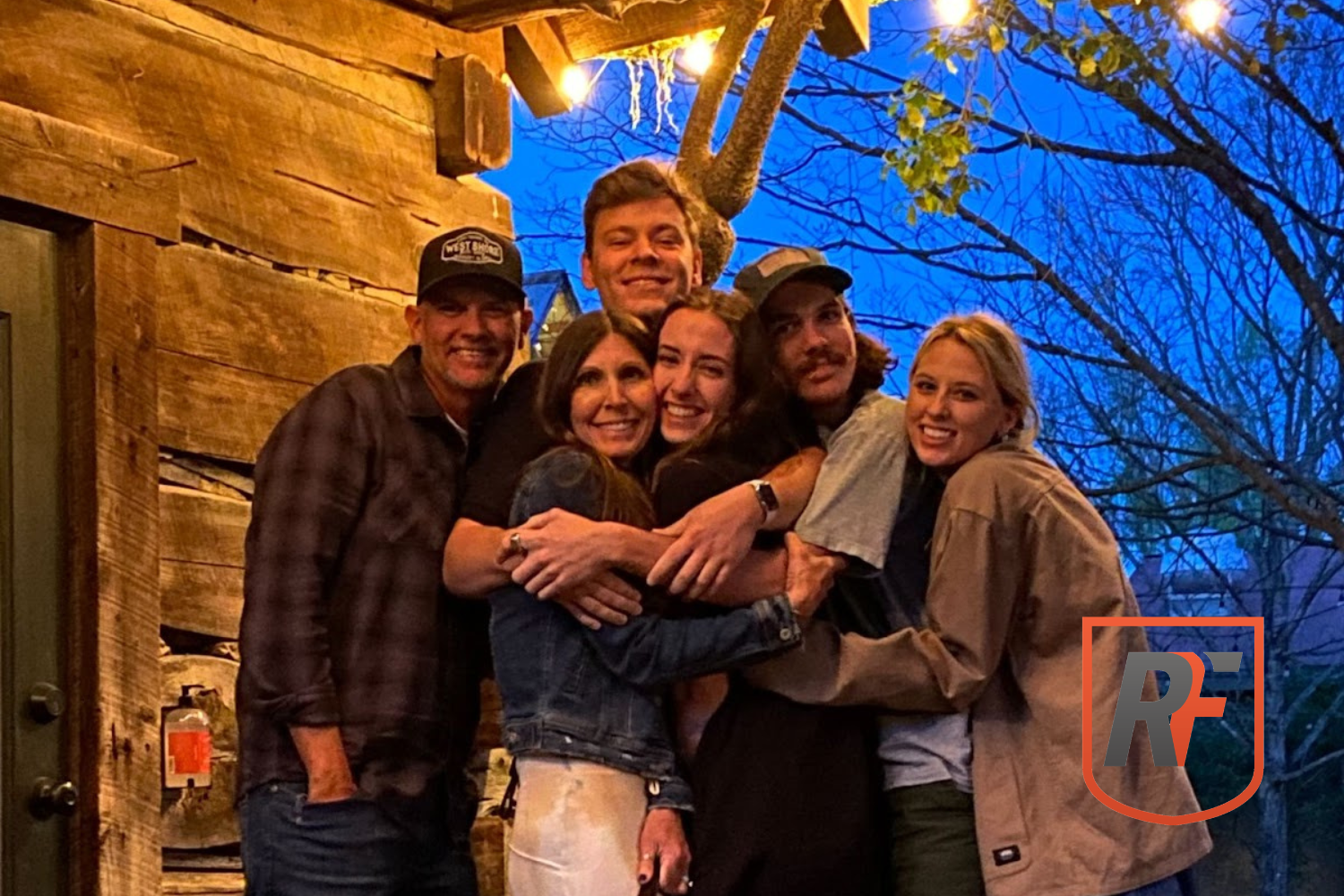
January Featured Member – Mishelle Shaw
January Featured Member Mishelle Shaw has been part of the RoughFit family for nearly 19 years, and her journey is a beautiful reflection of dedication, growth, and community. A home stager and floral designer with a heart for movement and connection, Mishelle has embraced everything from half marathons and triathlons to healthier nutrition habits, all with the encouragement of the RoughFit community she now considers family. Her story is a powerful reminder that with consistency, support, and a little grace, life-changing growth is possible.
We’re thrilled to kick off 2026 by spotlighting one of RoughFit’s longtime, deeply rooted members—Mishelle Shaw!
Mishelle has been staging homes for over 10 years and is also a talented floral designer, blending creativity and beauty into everything she does. When she’s not working, you’ll likely find her staying active—playing pickleball, gardening, or spending meaningful time with her high school girls at church. Movement and connection are clearly at the heart of her life.
Mishelle has been part of the RoughFit family for nearly 19 years. Her long-term commitment inspires pride and appreciation in the community, showing how dedication can shape a meaningful journey.
What keeps Mishelle coming back? The community. Over the years, the people of RoughFit have become like family, emphasizing the importance of connection and support in our shared journey.
Mishelle credits RoughFit with transforming her in unexpected ways. She never saw herself as a long-distance runner—until RoughFit encouraged and supported her through multiple half marathons and even triathlons. One of her most powerful moments came at the finish line of her very first half-marathon.
“I cried when I finished,” she shares. “It was the realization of what I could accomplish when I truly put my mind to something. That was huge for me.”
Her transformation didn’t stop there. Through encouragement and education at RoughFit, Mishelle made major changes to her nutrition—eliminating dairy, sugar, corn, and wheat—and has become a much healthier eater as a result. Her story can inspire others by showing how small, consistent changes can lead to significant health improvements. She describes the encouragement at RF as nonstop, extending far beyond workouts. Whether it’s fitness, nutrition, or life in general, she says the trainers genuinely want everyone to become the best version of themselves.
When asked about favorite RoughFit memories, Mishelle laughs—there are simply too many to choose from. Game days, races, Joshua Tree climbs, field days, mud runs, banquets, bike rides, Tuesday night run class, and even post-workout coffee (or tea) all hold a special place in her heart. These shared experiences fostered her sense of belonging and community, making her feel truly connected to the RoughFit family.
Her advice for anyone new to RoughFit is heartfelt and wise:
“Keep with it—this will literally change your life in more ways than you know. Give yourself grace. Ask lots of questions. Don’t compare your journey to anyone else’s. And remember—form is everything.”
Mishelle sums it up best in her own words:
“I have loved being part of these beautiful trainers’ and clients’ lives and could not imagine my life without you all.”
Mishelle, we are so grateful for your loyalty, your heart, and the example you set for this community. Thank you for nearly two decades of showing up, putting in the work, and being such an important part of the RoughFit family. 💙💪